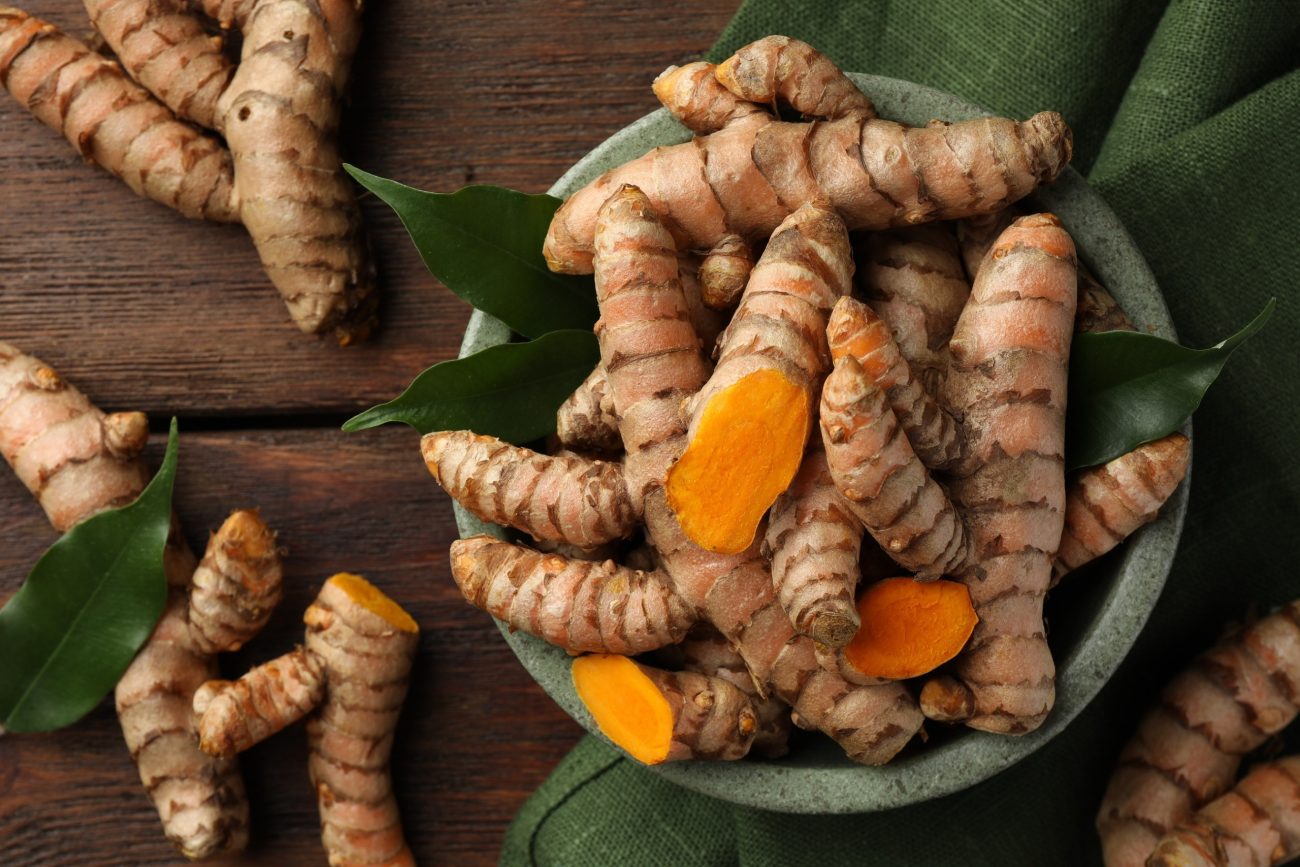
Lakadong turmeric, grown in Meghalaya’s Jaintia hills is famous for its high curcumin content.
A study in the International Journal for Multidisciplinary Research (2023) tested seven different samples of Lakadong turmeric from various parts of Meghalaya & they found curcumin levels varied between 5.6% and 13.8%. This proves that the high curcumin levels are not just a marketing claim. They are backed by real research data. But how they are able to produce so much more curcumin? Let’s break it down.
Genetic Advantage
Lakadong is an indigenous variety of Curcuma longa that local farmers in Meghalaya have been cultivating for generations. They carefully select rhizomes with deeper color, stronger aroma and higher curcumin content for replanting. Over time this selective breeding gave Lakadong a natural genetic edge.
Environment & Farming Practices
Genetics provide the potential but the environment and farming practices really bring out the best in Lakadong. The soil is rich with minerals in Jaintia hills that gives the plants essential nutrients like phosphorus and potassium which help produce curcuminoids. The cool, humid climate of Meghalaya reduces plant stress allowing the turmeric to generate more curcumin.
Traditional farming methods with minimal chemicals, preserve the turmeric’s purity. Farmers start harvesting only after the plants are fully mature and dry it in the shade with time which prevents curcumin from breaking down and also keeps the vibrant color and potency intact.
Scientific Testing
The high curcumin content of Lakadong is confirmed through lab tests using High-Performance Liquid Chromatography (HPLC) and UV-Visible Spectroscopy. Studies also note that different villages show slightly different levels. West Jaintia Hills often produce the strongest turmeric. These tests also check for moisture, contamination and adulteration to make sure the measurements are accurate.
Lakadong turmeric’s high curcumin content comes from a perfect combination of genetics, environment and careful cultivation. Supported by scientific studies, it’s one of the most pure turmeric varieties in the world.