Switching to Lakadong: The Purest Turmeric Choice
I’ve always been the kind of person who reads ingredient labels from granola to ghee. But turmeric? I never gave it a second thought. It was just “haldi,” something every Indian kitchen had. That changed when I learned that nearly 30% of turmeric samples in India were adulterated with fillers, synthetic colors, or low-curcumin varieties.
That was my turning point. I wanted turmeric that wasn’t just yellow but real.
Discovering Lakadong in Meghalaya
In my search for authenticity, I came across Lakadong turmeric, grown in the misty Jaintia Hills of Meghalaya. Unlike most commercial turmeric varieties that have 2–3% curcumin, Lakadong is known for its 7–9% curcumin content, giving it a deeper color, stronger aroma, and higher health benefits.
During my research, I read about Trinity Saioo, a Padma Shri awardee who led over 800 women farmers in cooperative farming of pure Lakadong turmeric. Their dedication to chemical-free cultivation and soil health is inspiring and the results speak for themselves.
The first taste
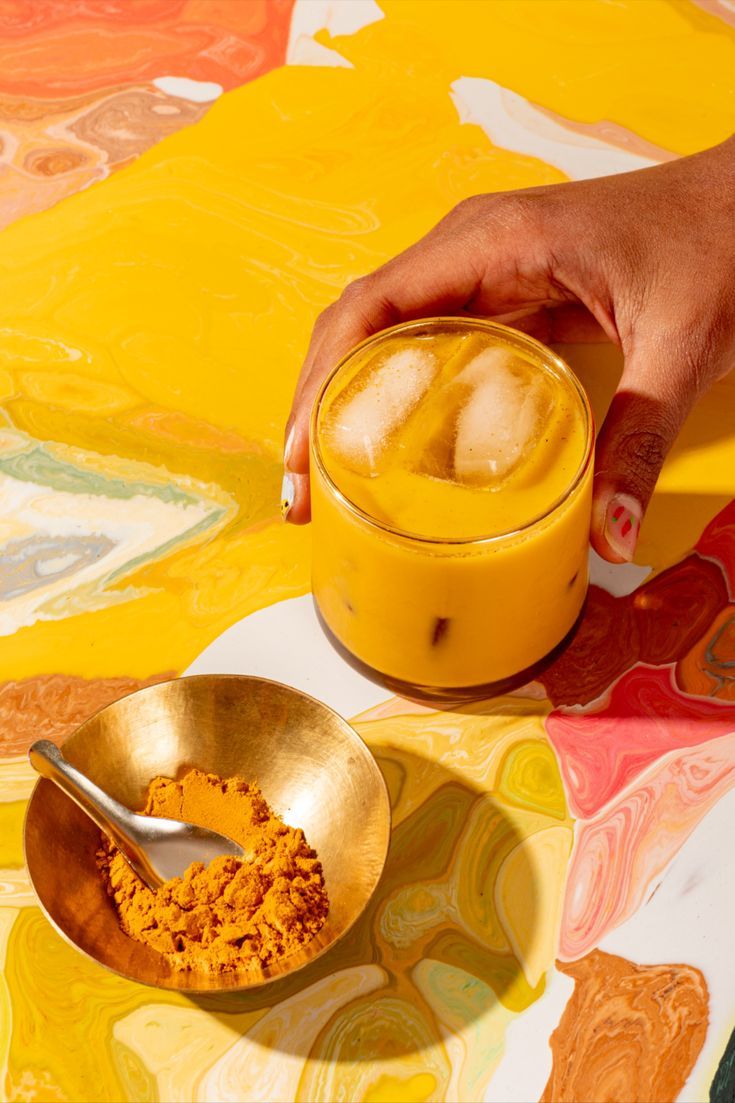
When I first tried Lakadong turmeric, it wasn’t just a business idea it was a personal discovery. I mixed a spoon into warm milk, and within seconds, the color turned a deep golden orange, filling the air with an earthy aroma. That first sip felt pure and alive the real taste of turmeric. It inspired to make Lakapure, so others could experience the same authenticity. Each pack we deliver carries that promise of purity, honesty, and care.
Many chefs and clean-label enthusiasts have made the same switch
Chef Thomas Zacharias calls Lakadong “India’s turmeric gold” and uses it in his farm-to-table recipes.
APEDA (2024) reports a 25% increase in organic turmeric exports, driven largely by Lakadong’s rising global demand.